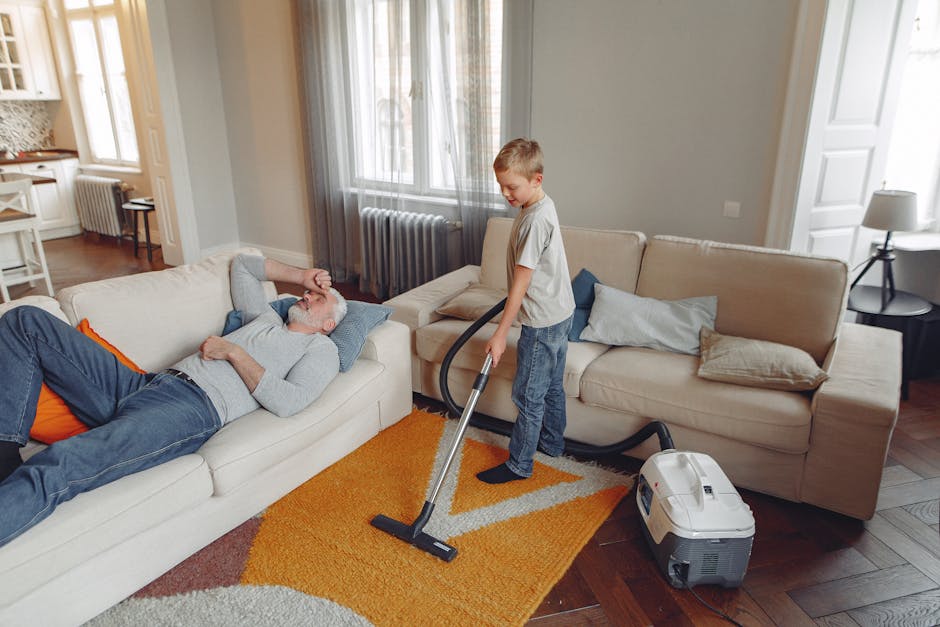
Rug cleaning Belgravia Westminster homes
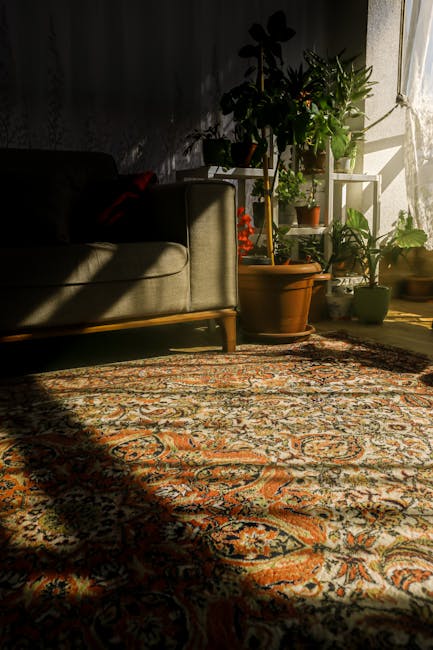
If you live in Belgravia or anywhere in Westminster, you already know rugs do more than soften a room. They hold the look together. They quieten footsteps, add warmth to polished floors, and, if you're honest, they also take the brunt of daily life: muddy shoes after a wet London morning, coffee drips, pet hair, the odd wine spill, and dust that seems to arrive from nowhere. Rug cleaning Belgravia Westminster homes is not just about making fibres look brighter. It is about protecting something valuable, keeping a room feeling fresh, and avoiding the kind of wear that creeps up slowly. This guide walks through what good rug care looks like, how the process works, and how to choose the right approach for your home without overcomplicating it.
In a district where interiors are often carefully chosen and expensive to replace, a rug deserves proper attention. Truth be told, the wrong cleaning method can flatten the pile, fade colour, or leave behind damp smells that linger longer than they should. The good news? With the right method and a bit of judgement, most rugs can be refreshed safely and beautifully.
Why Rug cleaning Belgravia Westminster homes Matters
Rugs are high-touch surfaces. They collect soil, grit, crumbs, pollen, skin flakes, pet dander, and whatever gets tracked in from the street. That sounds a bit unglamorous, but it is the reality of home life. In Westminster homes, especially those with open-plan reception rooms, formal lounges, hallways, or guest spaces, a rug often becomes the centrepiece. When it starts looking tired, the whole room feels less polished.
There is also the practical side. Dirt does not just sit on the surface. Tiny abrasive particles work their way into the fibres and gradually damage them. You may not notice it week by week, but over time the rug can lose softness, colour depth, and structure. That is why cleaning is not a purely cosmetic task. It helps preserve the rug's life, which is especially important if the piece is wool, silk-blend, handwoven, or simply something you paid good money for.
Homes in Belgravia often have a mix of materials and finishes that need a more careful touch. You might have underfloor heating, delicate timber floors, ornate skirting, or a rug sitting under a heavy sofa and coffee table. One careless wet clean can cause edge curling or colour transfer. A careful one can make the room feel lighter and more settled again. And let's face it, there is a real satisfaction in seeing a rug come back to life. You notice it straight away, even before you properly think about it.
There is another reason this matters: hygiene. Rugs can hold odours from cooking, pets, smoke, or dampness. If someone in the home has allergies, a dusty rug can make the room feel stuffy. No dramatic claims here, just common sense. Regular cleaning reduces that build-up and makes a space feel more comfortable to live in.
How Rug cleaning Belgravia Westminster homes Works
Good rug cleaning starts with inspection, not chemicals. That first look tells you a lot: fibre type, dye stability, pile condition, existing stains, fringe condition, and whether there are signs of moth damage or previous poor cleaning. If a rug is handmade or antique, the process becomes more cautious. If it is a modern synthetic piece, you usually have more flexibility, but you still need the right method.
In professional practice, the sequence is usually something like this:
- Assessment - identify fibre, construction, backing, dye behaviour, and visible damage.
- Dry soil removal - vacuuming and dust extraction to remove loose grit before moisture is introduced.
- Spot testing - checking how dyes and fibres respond to cleaning solutions.
- Pre-treatment - dealing with stains, traffic lanes, and problem areas using targeted products.
- Controlled cleaning - washing, low-moisture cleaning, or steam-based methods depending on the rug.
- Rinsing or residue removal - reducing cleaner residue so the rug does not resoil too quickly.
- Drying and grooming - drying thoroughly, then brushing or pile setting where suitable.
- Final inspection - checking for remaining marks, odour, colour fade, or texture changes.
Not every rug goes through the same route. A wool rug in a drawing room might need gentle hand washing or low-moisture treatment. A synthetic rug in a family space may tolerate more direct methods. A delicate Oriental or Persian-style rug often needs specialist handling, especially if the dyes are unstable. A decent cleaner will say so plainly rather than pretending every rug is the same. They are not. Not even close.
One small but important detail: drying matters as much as washing. If a rug stays damp too long, odours and backing issues can develop. Good airflow, careful placement, and sensible turnaround time are part of the job. You do not want a rug that feels clean but smells faintly of a rainy cellar. That is the sort of thing nobody asked for.
Key Benefits and Practical Advantages
The most obvious benefit is appearance. Clean rugs look brighter, fuller, and better defined. Colours usually regain depth once embedded dirt is removed. Patterns show more clearly. The whole room feels less weighed down.
But the real value goes a bit deeper.
- Longer rug life: Removing grit reduces fibre wear and helps preserve pile structure.
- Better indoor comfort: Freshly cleaned rugs can make rooms feel more pleasant and less dusty.
- Improved stain management: Treating spots early prevents them becoming permanent shadows in the pile.
- Odour reduction: A proper clean helps tackle smells trapped in the fibres.
- Safer presentation: Clean rugs are less likely to feel sticky, matted, or uneven underfoot.
There is also a design benefit, which people underestimate. In a well-kept Belgravia home, a rug is not background noise. It is part of the composition. When it is clean, furniture placement looks more intentional and the room feels calmer. Small thing, maybe. But small things shape a home.
For landlords, letting agents, and homeowners preparing a property for viewings, rug cleaning can be one of those quiet improvements that changes the overall impression without shouting about it. Clean textiles tell visitors that the rest of the home has likely been looked after too.
Who This Is For and When It Makes Sense
This service makes sense for a wide range of homes and situations. If you are wondering whether your rug really needs professional attention, the answer is often yes when the rug is valuable, heavily used, or showing signs of trouble.
It is especially useful for:
- busy family homes with high foot traffic
- properties with pets, especially where hair or odour has settled into fibres
- homes with light-coloured rugs that show dirt quickly
- period homes with delicate or antique textiles
- rental properties between tenancies
- short-let or furnished homes where presentation matters fast
- households preparing for guests, events, or seasonal deep cleans
You might also need rug cleaning if you have had a spill that sits in the fibres rather than on the surface. Coffee, red wine, makeup, candle wax, food oils, and pet accidents all need different treatment. The earlier you deal with them, the better. Leave them for weeks, and the job becomes more difficult. That is just how fibres behave.
Sometimes the decision is not about visible dirt at all. If a rug feels less soft than it once did, or you notice a faint stale smell when the room is closed up, that is often a sign the rug needs attention. In winter, especially, these things can become more noticeable because windows stay shut and heating dries the air out.
Step-by-Step Guidance
If you want to understand what a proper rug clean should involve, here is a sensible, practical sequence. Even if you are hiring someone, knowing the process helps you judge quality.
1. Identify the rug correctly
Start with the basics: is it wool, cotton, silk, synthetic, jute, viscose, or a blend? Is it handmade or machine-made? Does it have fringe, natural dyes, latex backing, or a delicate weave? A little identification goes a long way. Different fibres react very differently to water and cleaning agents.
2. Remove loose dirt before wet cleaning
Dry soil should come out first. Vacuuming is not glamorous, but it matters. If grit is left in the pile and then washed in, you can end up with a muddy residue rather than a clean rug. A good cleaner will spend time on this stage, even if it feels slow.
3. Test the dyes and fibre response
Before using moisture or any cleaner, a spot test helps prevent colour bleed and texture damage. This is especially important on old rugs, brightly dyed pieces, and anything with a history of previous cleaning.
4. Treat specific stains carefully
Stains are not all the same. Food marks, pet accidents, grease, and tannin-based stains need different approaches. The aim is to lift the mark without spreading it wider. Rubbing hard usually makes things worse. People do that in frustration, naturally, but it rarely helps.
5. Clean using the right method
Some rugs can be cleaned with low-moisture techniques. Others need hand washing or controlled extraction. The point is to match the method to the rug, not the other way around. If someone recommends the same process for every rug, that is a bit of a red flag.
6. Dry thoroughly and evenly
Rugs should be dried in a way that avoids browning, odour, or distortion. Airflow matters. So does timing. A rug left rolled up or placed on a damp underlay can develop problems quickly. Sometimes within hours, honestly.
7. Groom, inspect, and re-position
Once dry, the pile may need grooming so it lies correctly. Fringes may need separating rather than being left clumped together. Then the rug can go back in place. If it has been cleaned properly, you will usually notice a clearer pattern, cleaner edges, and a more even feel underfoot.
Expert Tips for Better Results
A few practical habits make a surprising difference, and they are easy to overlook.
Rotate the rug every few months. This helps spread wear and prevents one side from fading or flattening faster than the rest, especially in rooms with strong daylight.
Act quickly on spills. Blot, do not scrub. Use a clean white cloth and work from the outside of the spill inward. That old trick is still one of the best because it simply makes sense.
Use a rug pad if appropriate. Pads can reduce slip, help the rug sit better, and lessen wear from floor contact. They can also make a room feel more finished, which is no bad thing.
Keep an eye on humidity. In a London home, condensation and winter heating can create a mixed environment. Too much dampness can be a problem for natural fibres. Too much dryness can make some materials feel brittle. Balance matters.
Choose cleaning frequency based on use, not guesswork. A hallway rug used daily will need more attention than a decorative rug in a spare room. In our experience, it is better to clean before the rug looks obviously dirty. Waiting too long makes the job harder and less effective.
Ask about drying and aftercare. A careful cleaner should explain when the rug can be walked on, when furniture can go back, and whether there are any follow-up steps. That part is often rushed, but it should not be.
Expert summary: the best rug cleaning is the kind that removes soil without stressing the fibres, the dyes, or the backing. If one of those is ignored, you may get a clean-looking rug that ages badly later.
Common Mistakes to Avoid
There are a few recurring mistakes that cause more harm than people realise. Some are small. Some are expensive.
- Using too much water: Oversaturation can damage backing, encourage odour, and make drying harder.
- Scrubbing stains aggressively: This can distort the weave or push the stain deeper.
- Ignoring fibre type: Wool, silk, viscose, and synthetics do not behave the same way.
- Skipping dry soil removal: This leaves grit in the pile and reduces cleaning effectiveness.
- Drying too slowly: Long drying times can cause smell or browning.
- Using random household products: Some stain removers are too harsh, especially on delicate dyes.
- Putting furniture back too soon: Heavy legs can leave permanent marks if the rug is still damp.
There is also the classic mistake of assuming a rug "looks fine" so it does not need cleaning. That is usually the point when hidden soil has already built up. Rugs are a bit like London windows after winter: the dirt sneaks up quietly, then all at once you notice it.
Tools, Resources and Recommendations
If you are managing a rug at home between professional cleans, a few simple tools help you do the job properly without overdoing it.
- Vacuum with adjustable suction: Useful for regular maintenance, especially on medium or high-pile rugs.
- Soft brush or pile rake: Helps lift fibres gently after vacuuming.
- Clean white cloths: Better for blotting spills than coloured towels, which can transfer dye.
- Blunt-edge scraping tool: Handy for dried residue like wax, but use carefully.
- Rug underlay: Helps reduce movement and wear.
- Absorbent paper or towels: Useful for immediate spill response.
For households that prefer a professional service, it helps to look for clarity rather than big promises. Ask how the rug is assessed, whether they test dyes first, how they handle fringes, and how drying is managed. The answers tell you a lot. A good provider will not sound vague or rushed.
If you want to understand how rug care fits into wider home cleaning, it can also help to compare it with broader textile services such as carpet cleaning, sofa cleaning, and upholstery cleaning. Those services often overlap in technique and aftercare, even though the materials are different.
For homes where pet-related marks are common, a dedicated approach can make a real difference. In those cases, pet stain odour removal is worth considering alongside rug care, because smell and visible staining do not always disappear together. Annoying, but true.
Law, Compliance, Standards, or Best Practice
Rug cleaning itself is not usually a heavily regulated home service in the way some technical trades are, but there are still sensible expectations around safety, product use, and property care. In Westminster homes, that matters because many properties contain delicate finishes, valuable flooring, and shared access areas where caution is part of the job.
Best practice generally includes:
- clear communication about materials and risks
- testing before treatment on delicate or colour-sensitive rugs
- appropriate handling of chemicals and waste water
- care around electrical items, flooring, and access routes
- insurance cover where work is carried out in the home
If you are hiring someone, it is sensible to ask about insurance and safety procedures, especially if the rug is valuable or the property has tight access, stairs, or protected surfaces. You can also review a provider's own policies, including insurance and safety information, health and safety policy, and terms and conditions. That is not overkill. It is just sensible due diligence.
For payment and data handling, a transparent service should make things easy to understand. If you are comparing quotes, it can also help to check pricing and quotes and payment and security so you know what to expect before work begins.
Options, Methods, or Comparison Table
Different rug types and conditions call for different methods. Here is a simple comparison to help you think through the choice.
| Method | Best for | Pros | Watch-outs |
|---|---|---|---|
| Dry soil extraction | Routine maintenance, lightly soiled rugs | Quick, low moisture, good first step | Not enough on stains or deep odour |
| Low-moisture cleaning | Synthetic or robust rugs, busy homes | Faster drying, less saturation | May be less effective on heavy contamination |
| Hand washing | Delicate, handmade, wool, or antique rugs | Highly controlled, gentler on fibres | More time-consuming, needs expertise |
| Hot water extraction | Some durable rugs with embedded dirt | Effective deep cleaning | Not suitable for every fibre or dye set |
| Spot treatment only | Small isolated marks | Fast and targeted | Does not refresh the whole rug |
The right choice depends on fibre, age, dye stability, soil level, and how quickly the rug needs to return to service. For a smart city home, speed matters, but so does restraint. The goal is not to blast the rug clean. It is to clean it well enough that it still looks and feels right afterwards.
Case Study or Real-World Example
A good example is a Belgravia flat with a wool rug in the living room. The rug looked broadly fine at first glance, but the centre area had darkened slightly where people crossed the room daily, and the side nearest the sash window had faded unevenly. There was also a faint smell after the heating had been on for a few hours. Nothing dramatic, just enough to make the room feel less fresh.
The first step was to vacuum thoroughly and check the dye stability. A small test area showed the rug could handle a gentle wash, but not heavy wet treatment. The corners and fringe were treated separately, and the main pile was cleaned with careful moisture control. Drying was managed with airflow rather than heat blasting, which is where many problems start. The rug came back cleaner, but more importantly, it looked balanced again. The room stopped feeling slightly tired. It is a small difference until you see it. Then it is obvious.
That kind of outcome is common with rugs that have been well cared for but need the right reset. Not every rug needs a dramatic intervention. Sometimes it just needs proper attention, a sensible method, and time to dry correctly. Simple enough, really.
Practical Checklist
Use this quick checklist before arranging rug cleaning or trying light maintenance yourself.
- Identify the rug fibre and construction if possible.
- Check for loose threads, worn edges, or fringe damage.
- Note any stains, smells, pet accidents, or fading.
- Vacuum gently to remove dry dust and grit.
- Test any cleaner on a hidden spot first.
- Choose the method that suits the rug, not just the stain.
- Make sure drying space and airflow are available.
- Keep furniture off the rug until it is fully dry.
- Rotate the rug after cleaning if one side gets stronger sunlight.
- Plan regular maintenance so dirt does not build up again.
Quick takeaway: the safest cleaning choice is usually the one that respects the rug's material first and the stain second.
If you are also thinking about wider home refresh work, a combined approach with deep cleaning or one-off cleaning can make sense, especially before guests arrive or after a busy season. For ongoing upkeep, domestic cleaning and regular cleaning help stop the dirt cycle from building up again in the first place.
Conclusion
Rug cleaning Belgravia Westminster homes is really about preserving comfort, appearance, and value in a way that fits the home you actually live in. A good rug does a lot of work quietly. It anchors a room, softens sound, and makes a space feel finished. Keeping it clean is a small domestic task with a bigger effect than people expect.
Whether your rug needs a careful refresh, help with a stubborn stain, or a more thorough restorative clean, the best results come from matching the method to the material and treating the rug with patience. That is the difference between a surface-level tidy and a proper result. And honestly, once you have seen a well-cleaned rug transform a room, it is hard to go back.
Get a free quote today and see how much you can save.
For more about the team behind the service, you can also review about us and, if you need to get in touch, the contact us page. A quick conversation is often all it takes to work out the safest and most sensible next step.
Frequently Asked Questions
How often should rugs be professionally cleaned in Belgravia and Westminster homes?
It depends on use, fibre type, and whether the rug sits in a busy room. In a high-traffic family space, a professional clean may be needed more often than in a formal sitting room. A good rule is to clean before soil becomes visible enough to flatten the pile or dull the colour.
Can delicate or handmade rugs be cleaned safely?
Yes, but they need the right method. Handmade, wool, silk, and antique rugs should be assessed carefully before any water or chemical treatment is used. Spot testing and controlled drying are especially important.
What is the difference between rug cleaning and carpet cleaning?
Rugs are movable and often made with different fibres, dyes, and backings than fitted carpets. That means they usually need more individual handling. Carpet cleaning is often broader and more uniform, while rug cleaning is more about material-specific care.
Will rug cleaning remove pet odours completely?
It can reduce or remove many pet-related smells, especially when the rug is treated properly and dried thoroughly. Severe contamination may need targeted odour treatment as well. For the toughest cases, a specialist pet stain approach is often the better route.
How long does it take for a cleaned rug to dry?
Drying time varies by method, fibre, thickness, and room conditions. Light cleaning may dry faster than a full wash, while thicker or natural-fibre rugs may need more time. Good airflow makes a real difference.
Can I clean a rug myself with household products?
Sometimes, for a small fresh spill, yes. But household products can be risky on delicate dyes or fibres. If you are unsure, test first or speak to a professional rather than guessing. A bad patch repair is much harder than a careful initial clean.
Why does my rug look clean but still smell a bit stale?
That usually means residues, hidden moisture, or deeper contamination are still present in the fibres or backing. Surface appearance and odour do not always match. It is a common issue, especially in rooms with limited ventilation.
Should I move furniture back onto the rug straight away?
No, not until the rug is fully dry. Heavy furniture legs can leave marks or compress damp fibres. It is worth waiting. A bit boring, maybe, but worth it.
Is steam cleaning suitable for all rugs?
No. Some rugs tolerate steam or hot water extraction well, but delicate fibres, unstable dyes, and certain handmade pieces do not. The cleaner should match the method to the rug rather than using steam as a one-size-fits-all answer.
What signs show my rug needs professional attention?
Visible staining, fading, odour, flattening, recurring pet marks, or a generally dull appearance are all good signs the rug needs more than a quick vacuum. If the rug is valuable, old, or delicate, earlier intervention is usually safer.
How do I choose a rug cleaning service I can trust?
Look for clear explanations, material-specific advice, sensible drying guidance, and straightforward policies. Helpful signs include transparent pricing, insurance information, and clear terms. If you want to compare related service standards, review pages like complaints procedure and recycling and sustainability as well.
Can rug cleaning help with allergies?
It may help reduce the dust, pollen, and dander trapped in the fibres, which can make a room feel fresher. That said, it is not a medical treatment and should be seen as part of general home hygiene rather than a cure-all.
What should I do after my rug has been cleaned?
Keep it dry, avoid heavy furniture too soon, and rotate it periodically if one side gets more sunlight. Regular vacuuming helps preserve the result. That part is plain, but it works.
Where can I find related services for a full home refresh?
Depending on what the room needs, services such as curtain cleaning, mattress cleaning, window cleaning, and house cleaning can complement rug care and help the whole home feel more settled.